
In the vast world of coffee, you might have heard the term “Specialty Coffee.” But what exactly is specialty coffee and what makes it so different? This isn’t just a fancy name; it’s a standard of the highest quality, a meticulous journey from farm to cup, delivering an exceptional flavor experience.
1. What is Specialty Coffee? Defining Superior Quality
According to the Specialty Coffee Association (SCA), specialty coffee refers to beans that score 80 points or higher on a 100-point scale in the SCA evaluation system. This score is determined by expert tasters (Q-Graders) based on rigorous criteria:
- Green Coffee Quality: No significant defects, uniform in size.
- Fragrance & Aroma: The diversity and complexity of dry and wet aromas.
- Flavor: Distinctive, unique flavor notes.
- Aftertaste: The lingering taste after swallowing.
- Acidity: The pleasant, lively sensation of acidity.
- Body: The perceived weight and smoothness in the mouth.
- Balance: The harmony between various flavor elements.
- Sweetness: Natural sweetness.
- Clean Cup: Absence of taints or defects.
- Uniformity: Consistency of flavor across multiple cups.
2. What Makes Specialty Coffee Different?
The difference in specialty coffee isn’t just in the score; it’s an entire process of strict quality control at every stage:
- Terroir: Specialty coffee often comes from growing regions with ideal soil, climate, and altitude conditions (such as the highlands in Gia Lai, Vietnam).
- Sustainable Cultivation: Farmers focus on meticulously caring for coffee plants, using sustainable and environmentally friendly farming practices.
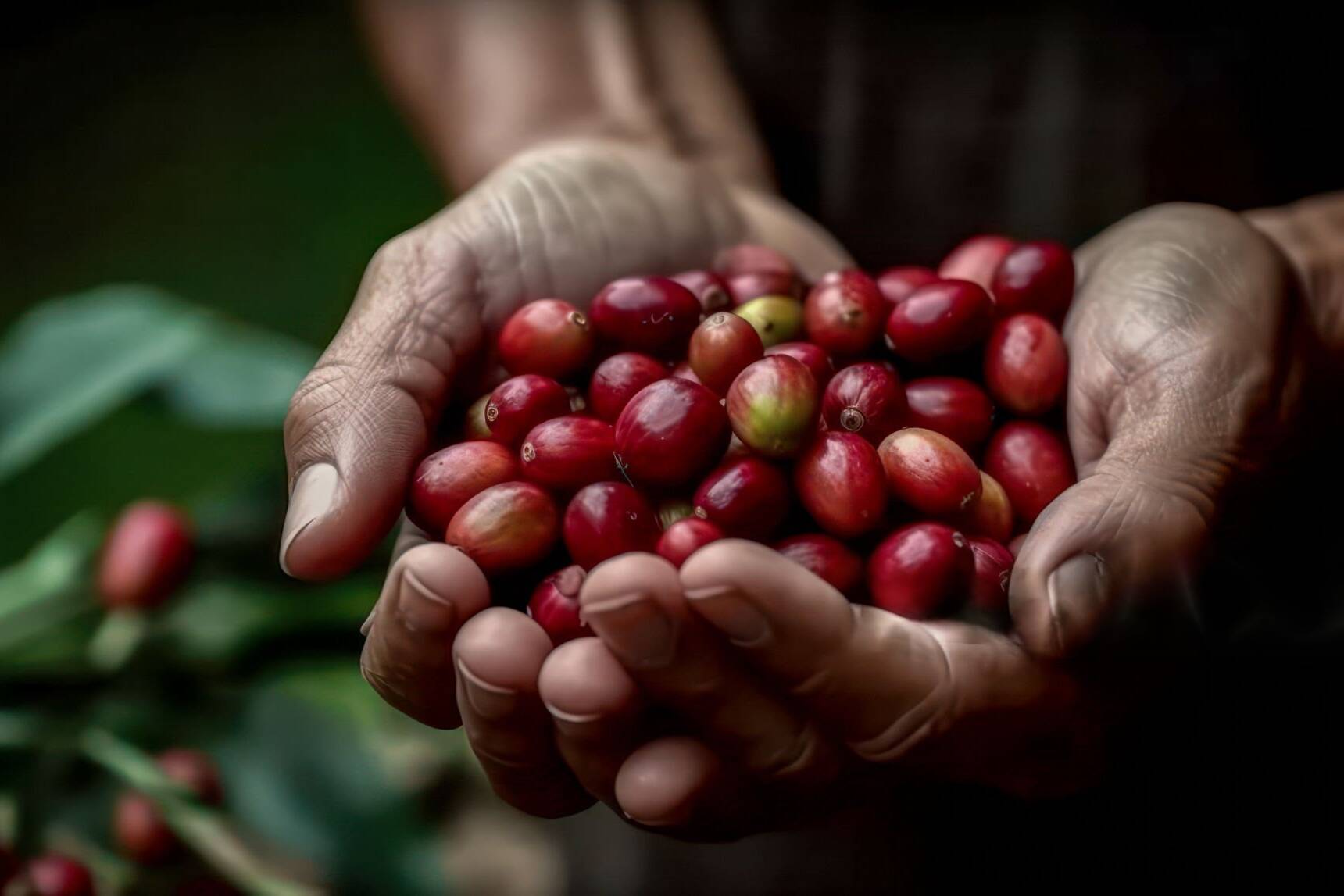
- Selective Harvesting: Only the ripest coffee cherries are hand-picked, ensuring maximum flavor potential.
- Meticulous Processing: Processing methods (washed, natural, honey) are executed with strict control, from sorting to drying and storage, to fully develop the bean’s flavor.
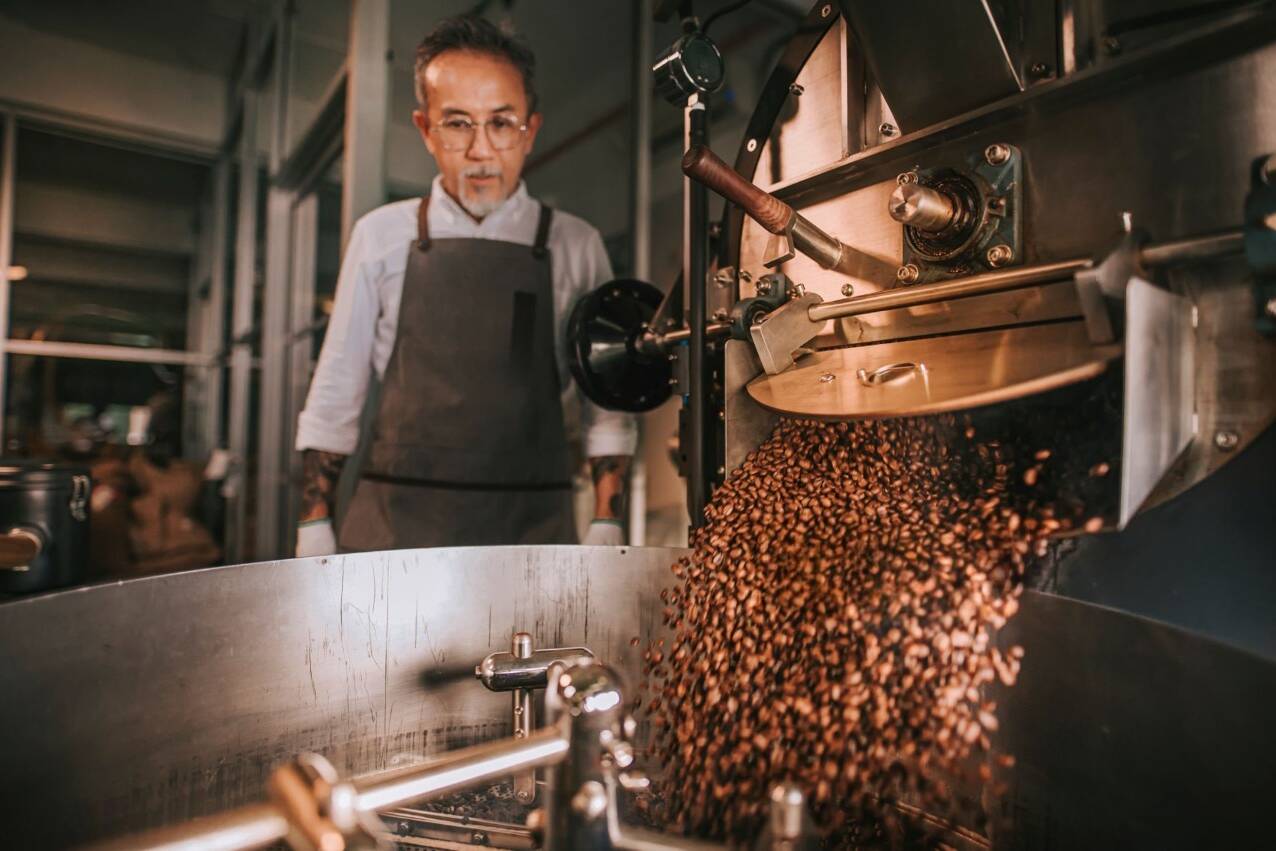
- Professional Roasting: Specialty roasters possess deep knowledge to find the optimal roast profile for each bean, highlighting unique notes without burning or losing subtlety.
- Traceability: Information about origin, varietal, and processing methods is often transparent, helping consumers better understand their cup of coffee.
3. How to Enjoy Specialty Coffee to Its Fullest
To fully experience the sophistication of specialty coffee, brewing methods play a crucial role:
- Manual Brewing: Methods like Pour-over (V60, Chemex), Aeropress, or French Press are often preferred as they allow for better control over the extraction process, highlighting complex flavor layers.
- Water Quality: Use clean, odorless filtered water with appropriate mineral content. The ideal water temperature is typically between and ( and ).
- Fresh Grinding: Always grind beans just before brewing to preserve their full aroma and flavor. The grind size should be appropriate for your brewing method.
- Coffee-to-Water Ratio: Adhere to the golden ratio (typically 1:15 to 1:18) to ensure balanced extraction.
- Enjoy Pure: To best appreciate the unique notes, try specialty coffee black, without added sugar or milk.
Discover the World of Specialty Coffee
Specialty coffee is not just a beverage; it’s a journey of flavor discovery, a connection to dedicated farmers and wonderful lands. When you enjoy a cup of specialty coffee, you are experiencing the pinnacle of quality and passion. Start your own discovery journey and taste the difference!